

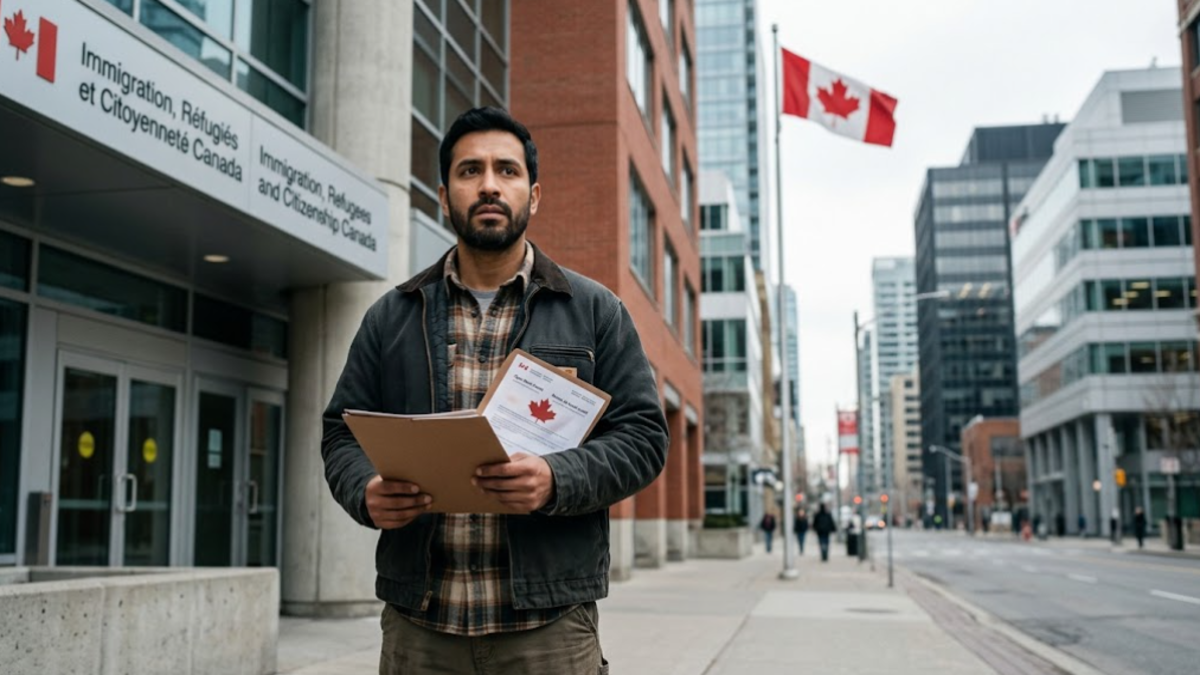
OTTAWA – Canadist: Canada Open Work Permit for Vulnerable Workers is designed to give temporary foreign workers a way out when abuse or the risk of abuse is connected to their employment. The measure can allow an eligible worker to leave an abusive employer and seek another job without immediately losing authorization to work in Canada. But who qualifies, what counts as abuse, and what evidence does an applicant need?

Canada Open Work Permit for Vulnerable Workers: Who Can Qualify?
Canada’s open work permit for vulnerable workers provides a specific protection for temporary foreign workers who face abuse or the risk of abuse connected to their job.
The program is particularly important for workers who hold employer-specific permits. Under those permits, a worker’s authorization to work is normally tied to the employer named on the document. That connection can create a difficult situation when the employer is also the source of mistreatment.
The vulnerable-worker measure changes that situation temporarily. An approved open work permit can allow the worker to seek employment with another employer in Canada, giving the person an opportunity to leave the abusive workplace without having to remain dependent on the same employer.

According to Immigration, Refugees and Citizenship Canada, an applicant generally needs to be physically in Canada. The applicant must also be experiencing abuse or be at risk of abuse in relation to the job.
Another central requirement concerns immigration status. The worker must normally hold a valid employer-specific work permit naming the employer involved, or must have applied to extend that work permit before it expired and still be waiting for a decision.
Applicants cannot apply for this particular permit at a Canadian port of entry.
The rules therefore focus on a combination of factors rather than simply the existence of a workplace dispute. A person must show that the circumstances involve abuse or a genuine risk of abuse connected to employment.
The government describes abuse broadly. It can involve physical, sexual, financial or psychological conduct, as well as reprisals against a worker.
This means that an application does not have to involve physical violence. Other forms of intimidation, control, financial exploitation or retaliation can also be relevant.
For workers who fear losing their immigration status if they complain, the program can provide an important alternative. Instead of remaining with an employer because their work authorization is tied to that workplace, an eligible worker can seek protection through the open work permit process.
Recent discussion around migrant-worker protection has also highlighted why these safeguards matter. Reports and policy commentary have continued to draw attention to unpaid wages, unsafe workplaces, intimidation and other forms of exploitation affecting temporary foreign workers.
The federal government has separately emphasized that temporary foreign workers have rights under Canadian law and can report abuse or suspected misuse of immigration programs.
Canada Open Work Permit for Vulnerable Workers: What Counts as Abuse?
One of the most important questions for potential applicants is whether their circumstances meet the definition of abuse.
Government guidance gives several examples. Physical harm is one obvious category, but the list extends considerably further.
A worker may have grounds to raise concerns if an employer forces them to work in conditions that are unsafe or that put their health at risk. Unsafe or unsanitary accommodation provided by an employer can also form part of the evidence.
Sexual misconduct is another category. Unwanted sexual touching or unwanted sexual comments can be relevant when assessing whether a worker is being abused.
The government also identifies controlling behaviour. Restricting where a worker can go, preventing contact with friends or co-workers, or otherwise isolating the person can be examples of abusive conduct.
Financial abuse can take different forms. The government specifically lists stealing from workers and taking some or all of the money they are paid.
Threats, insults and intimidation can also be relevant.
The protection extends to certain forms of coercion involving illegal activity. For example, forcing a worker to commit fraud may constitute abuse.
Recruitment-related exploitation can matter as well. Government guidance identifies situations where a third party charges fees for a job or makes promises that are not genuine.
Retaliation is another major concern. A worker may face abuse when an employer disciplines, demotes, dismisses or threatens to take such action because the worker reported non-compliance with working conditions or cooperated with an employer inspection.
That point is particularly significant because it recognizes that vulnerability can increase when workers try to assert their rights.
The program is not intended simply as a general route for workers who are unhappy with their employment. The applicant must connect the circumstances to abuse or the risk of abuse.
Evidence therefore plays an important role.
IRCC asks applicants to provide information about their situation and the abuse they are experiencing or the risk they face. Applicants are encouraged to use the government’s Letter of Explanation for an Open Work Permit for Vulnerable Workers to explain their circumstances.
Supporting documentation can strengthen an application. The government encourages applicants to provide as much evidence of the alleged abuse as they can.
That evidence could depend on the circumstances. Workers may have records showing communications with an employer, employment documents, pay information, photographs, complaints, medical documentation or other material that helps establish what happened.
The key issue is not simply collecting documents. Applicants should make sure the evidence clearly explains the connection between the employment situation and the alleged abuse or risk.
Why Employer-Specific Workers Can Be Particularly Vulnerable
Employer-specific work permits serve a different purpose from open work permits.
An employer-specific permit normally identifies the employer, occupation and other conditions under which the worker can work in Canada. The worker cannot simply move to any employer without obtaining the necessary authorization.
That arrangement can become particularly difficult when the employer is accused of mistreating the worker.
A worker may fear that leaving the workplace will mean losing legal authorization to work. That fear can discourage people from reporting wrongdoing or seeking help.
The vulnerable-worker open work permit addresses that problem by creating a temporary immigration option.
Once approved, the worker can generally work for another employer in Canada, subject to the conditions of the permit and the exclusions established by the government.
The permit does not function as a permanent immigration status. It is a temporary measure intended to help the worker escape the abusive situation, find another employer and pursue the appropriate longer-term work authorization.
The distinction matters. Receiving the vulnerable-worker permit does not automatically give the worker permanent residence or an unrestricted right to remain in Canada indefinitely.
It is better understood as a bridge between an abusive employment situation and a safer employment arrangement.
How the Application Process Works
The application is submitted online.
Applicants first need to make sure they have the required information and electronic copies of supporting documents. IRCC recommends reading the relevant instructions before completing the application.
The evidence supporting the case is particularly important. Applicants must explain their circumstances and provide information about the abuse or risk of abuse.
The online application process requires applicants to select the appropriate options when answering questions about their intended activity in Canada, current residence and employment situation.
For this particular process, the government instructs eligible applicants to indicate that they want to work, that their current country or territory of residence is Canada, and that they do not have a written job offer.
The applicant must also identify the situation involving an employer-specific work permit and abuse or the risk of abuse.
The application should contain a clear explanation of what happened.
A strong explanation should avoid vague statements and instead establish the relevant facts: what occurred, when it occurred, who was involved, how the conduct relates to the job and why the worker believes they are being abused or are at risk.
Documents should support the explanation wherever possible.
The government can request additional information after receiving an application and may ask an applicant to attend an interview.
This means applicants should be prepared to explain their circumstances consistently and accurately.
What Happens If the Vulnerable Worker Permit Is Approved?
An approved vulnerable-worker open work permit provides temporary authorization to work for another employer.
The permit has an expiry date and cannot be renewed.
That limitation is important. The permit gives the worker time to remove themselves from the abusive workplace, find a new employer and apply for another work permit if they want to continue working in Canada.
Workers should therefore pay close attention to the expiry date.
Waiting until the final days of the permit can create unnecessary immigration risks. If a worker wants to continue working in Canada, the appropriate next work-permit application should be considered before the vulnerable-worker permit expires.
The government may also conduct an inspection of the employer connected to the abuse allegations.
IRCC says it may contact the employer for an inspection after issuing the permit. The inspection can occur at any time after the open work permit is issued.
A worker may be asked to provide additional information to assist with an inspection. The government says providing that information is voluntary.
The inspection system is separate from the worker’s immediate need to escape an abusive workplace, but it can help authorities assess whether an employer complied with the rules governing temporary foreign workers.
Can Family Members Also Get an Open Work Permit?
Family members who came to Canada with the principal worker may also have an option to apply for an open work permit if the vulnerable worker’s application is approved.
However, family members must submit their own applications.
This does not mean that every family member automatically receives authorization. Each eligible family member must complete the required application process.
For families dependent on temporary foreign-worker status, this possibility can be important because an abusive employment situation can affect more than one person.
Applicants should therefore consider the immigration status of accompanying family members separately and ensure that each person submits the required documentation.
Canada Open Work Permit for Vulnerable Workers and Worker Protection
The vulnerable-worker permit sits within a wider system of protections for temporary foreign workers in Canada.
Federal authorities state that workers are protected by Canadian law regardless of their temporary immigration status. Workers can report concerns involving workplace abuse, unpaid or incorrect wages, threats, restrictions on movement and other violations.
The government also says workers can report suspected abuse of the Temporary Foreign Worker Program.
Importantly, a worker does not necessarily have to provide their name when making an abuse report. The government says reports can be made without providing a name, telephone number or work permit or Labour Market Impact Assessment number, although those details can help with an investigation.
The government also states that information supplied in an abuse report is protected by privacy laws and that the identity of a person making a report will not be disclosed to the employer or workplace.
Workers facing immediate danger should contact emergency services.
For workers who are not in immediate danger but fear workplace retaliation or immigration consequences, obtaining accurate information before making a decision can be critical.
The vulnerable-worker open work permit is one potential immigration solution, but it does not replace provincial or territorial employment standards, workplace safety protections, police services or other legal remedies.
Workers may have rights under several different systems at the same time.
What Applicants Should Know Before Applying
The first point is eligibility.
A person generally needs to be in Canada, have an employer-specific work permit that meets the program requirements or have applied to extend it before expiry, and be experiencing abuse or a risk of abuse related to the job.
The second point is evidence.
Applicants should provide as much relevant evidence as they can. A detailed explanation supported by credible documents can help officers understand the circumstances.
The third point is timing.
A worker does not need to wait until the situation becomes more serious before considering available protections if there is already a genuine risk of abuse. The government expressly includes workers who are at risk of being abused.
The fourth point is that the permit is temporary.
An approved vulnerable-worker permit cannot simply be renewed when it expires. Workers who want to remain employed in Canada must consider what work authorization they will need next.
Finally, workers should remember that immigration status is only one part of the situation. Employment standards and workplace protections may provide additional avenues for addressing unpaid wages, unsafe conditions, discrimination, retaliation or other violations.
The federal government’s official guidance remains the best place to verify eligibility, application instructions and current requirements before submitting an application.
What Recent Developments Mean for Vulnerable Workers
Recent reporting and policy discussion have kept migrant-worker protection in the spotlight.
Cases involving alleged exploitation, unpaid wages and unsafe working conditions have continued to raise questions about how effectively workers can exercise their rights when their immigration status is linked to a particular employer.
The issue has also attracted attention from policy researchers and worker advocates, who have argued that employer-specific permits can create a power imbalance when workers fear that challenging workplace conditions could affect their ability to remain employed in Canada.
At the same time, Canadian authorities have continued to enforce rules governing employers that participate in temporary foreign-worker programs.
The broader message for workers is clear: an employer-specific work permit does not remove a worker’s basic workplace rights.
For someone facing abuse, the vulnerable-worker open work permit can provide an immigration pathway away from the immediate source of the problem.
However, eligibility is not automatic. The applicant must meet the program requirements and provide information that allows immigration officials to assess the situation.
Workers should also be careful about relying on social-media posts, informal advice or outdated immigration information. Requirements and application procedures can change, and individual circumstances can affect eligibility.
The Bottom Line for Temporary Foreign Workers
The Canada Open Work Permit for Vulnerable Workers is intended for a specific group: temporary foreign workers in Canada who hold, or have applied to extend, an eligible employer-specific work permit and who face abuse or a risk of abuse connected to their employment.
The definition of abuse is broader than physical violence. It can include sexual, financial and psychological abuse, intimidation, unsafe working conditions, restrictions on movement, wage-related exploitation and retaliation for reporting workplace violations.
For eligible workers, the permit can provide an important opportunity to leave the abusive employer and work for another employer while pursuing a longer-term solution.
But the protection is temporary. The permit has an expiry date, cannot be renewed and should not be treated as a permanent immigration pathway.
For anyone considering an application, the strongest approach is to understand the eligibility rules, document the circumstances carefully and follow the official application instructions.
Frequently Asked Questions
Who can apply for the vulnerable-worker open work permit?
A worker may qualify if they are in Canada, face abuse or a risk of abuse related to their job, and hold an eligible employer-specific work permit or have applied to extend it before it expired.
What types of abuse can qualify?
Abuse can include physical, sexual, financial or psychological conduct, intimidation, unsafe conditions, control or isolation, wage-related exploitation and retaliation connected to reporting workplace violations.
Can the permit be used to change employers?
Yes. If approved, the open work permit is intended to help the worker leave the abusive situation and find another employer in Canada, subject to the permit’s conditions.
Can the vulnerable-worker permit be renewed?
No. The permit is temporary and cannot be renewed. Workers who want to continue working in Canada should consider another appropriate work permit before it expires.
Contact: info@canadaalyom.com