
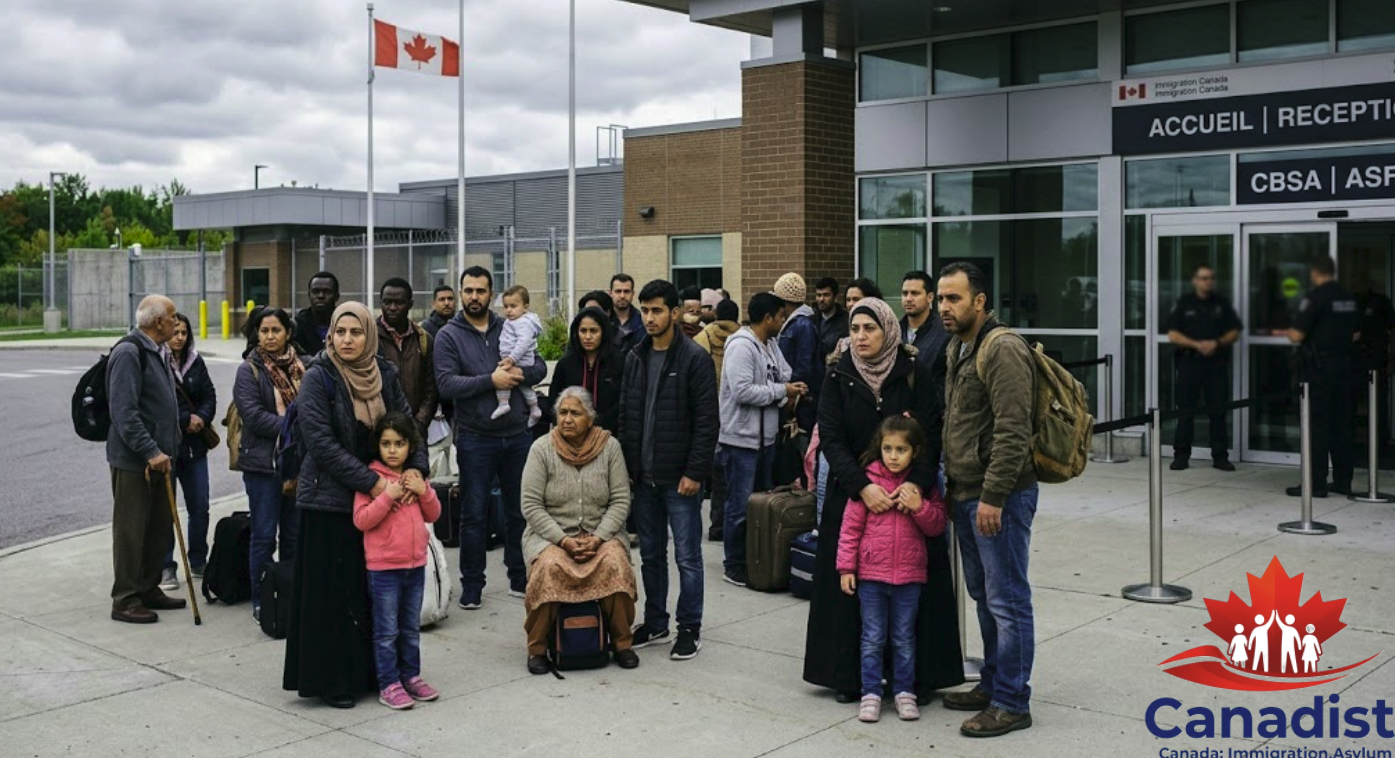
Ottawa — Canadist: Canada asylum system changes have sparked intense national debate as the country pivots toward significantly stricter border controls. For decades, the global community viewed the nation as a definitive sanctuary for displaced individuals seeking safety and a fresh start. However, recent legislative shifts have rewritten those historical guarantees entirely, leaving thousands of applicants stranded in legal limbo.

The shifting political landscape has forced immigration authorities to rethink their open-door philosophy. While administrators defend these updates as vital upgrades to an overburdened framework, critics argue they dismantle essential humanitarian protections. Are these transformations a necessary structural fix to preserve system integrity, or have they fundamentally broken the promise of Canadian refuge?
Unpacking the Core of Canada Asylum System Changes
The sweeping overhaul traces back to a pivotal piece of legislation known formally as the Strengthening Canada’s Immigration System and Borders Act, or Bill C-12. This bill received Royal Assent and took effect on March 26, marking one of the most aggressive restructurings of domestic border policy in modern memory. The federal administration fast-tracked these measures to address a mounting backlog of applications that threatened to overwhelm provincial infrastructure.
According to official parliamentary records, the statutory framework focuses heavily on tightening eligibility thresholds. The government insists that the law strengthens the asylum pipeline, accelerates operational processing speeds, and actively deters systemic abuse. Conversely, human rights advocates counter that the law creates insurmountable administrative hurdles for legitimate victims of persecution.

How the New System Works: The Pillars of Bill C-12
The operational mechanics of Canadian immigration now rely on rigid timelines that replace the previous, more forgiving case-by-case evaluation model. Understanding these pillars reveals how difficult the pathway to legal protection has become for new arrivals.
The Strict One-Year Filing Deadline
Under the newly enforced protocols, an individual must formally submit their asylum claim within 365 days of entering the country. If a migrant misses this window, they automatically lose their eligibility to present a case before the Immigration and Refugee Board (IRB).
This clause directly impacts individuals who initially arrive on valid temporary visas, such as students or guest workers. Many of these visa holders experience sudden, volatile geopolitical shifts in their home countries long after their initial arrival. Under the current framework, those changing conditions may no longer grant them a free pass to apply for protection late.
The 14-Day Land Border Restriction
For individuals crossing into domestic territory via the southern land border with the United States, the window for action is even smaller. The updated regulations dictate a strict 14-day limit for specific border-crossing scenarios.
Failure to declare an intention to seek asylum within this two-week timeframe results in immediate disqualification. Federal officials state this mechanism deters irregular border crossings and ensures immediate documentation. Meanwhile, legal aid societies argue it penalizes traumatized individuals who lack immediate access to legal counsel.
The Power of Retroactivity and Executive Discretion
One of the most controversial aspects of Bill C-12 is its retroactive application. The legislative framework enables authorities to review and reassess specific claims filed as far back as June 2025.
Consequently, hundreds of migrants who believed their applications were safe under older guidelines are now receiving formal compliance reviews. This retroactive reach has sent shockwaves through immigrant communities, destroying the sense of predictability that typically characterizes Canadian jurisprudence.
Furthermore, the legislation grants unprecedented executive powers to the Ministry of Immigration, Refugees and Citizenship. The government can now issue sweeping administrative directives to manage entire blocks of files simultaneously. These extraordinary powers include:
Ordering the immediate suspension of specific application streams.
Enacting temporary pauses on the intake of new refugee categories.
Revoking or modifying temporary documentation without protracted judicial oversight.
Altering processing methodologies for entire nationalities overnight.
This systemic shift means the immigration framework has become highly adaptable for administrators, yet deeply unpredictable for applicants.
Why It Matters: Analyzing the Plummeting Statistics
The quantifiable impact of these policy adjustments became obvious within months of execution. Recent data released by the Parliamentary Budget Officer highlights a sharp downward trend in overall asylum volumes.
Canadist has learned from internal legislative reviews that total asylum claims dropped by roughly 34% within a single twelve-month tracking cycle. The volume plummeted from an all-time high of approximately 172,000 applications down to just 113,000 requests.
+--------------------------------------------+-----------------------+
| Fiscal Timeline Overview                  | Total Asylum Claims   |
+--------------------------------------------+-----------------------+
| Peak Period (Pre-Reform)                   | 172,000               |
+--------------------------------------------+-----------------------+
| Post-Bill C-12 Implementation              | 113,000               |
+--------------------------------------------+-----------------------+
Specifically, the reduction is most visible among individuals holding Temporary Resident Visas (TRVs). Asylum claims originating from temporary visa holders plummeted by an astonishing 80% over a twenty-four-month window ending early this year. These numbers prove that the legislative deterrent is working exactly as the government intended, effectively narrowing the gateway into the country.
How Canada Asylum System Changes Impact Global Migrants
The real-world consequences of Bill C-12 fall squarely on distinct segments of the migrant population. Human rights organizations point out that the policy treats highly diverse migration paths with a single, restrictive brush.
International Students and Temporary Laborers
Historically, foreign students could complete their degrees, assess safety risks at home, and transition into the refugee system if conditions deteriorated. The strict one-year rule completely destroys this option. Students must now choose between their academic focus and filing a protective claim almost immediately upon arrival.
Tourist Visa Holders and Border Crossers
Tourists who enter the country to scout out safety possibilities face similar barriers. The combination of retroactive reviews and strict timelines means that casual delays can end a legal journey permanently. Reports from border towns indicate that fewer people are attempting crossings, as the risk of immediate deportation back to the United States has multiplied.
The Critical Exception: Unaccompanied Minors
Following intense pressure from humanitarian coalitions, the federal government introduced a vital safety valve. Unaccompanied minors remain exempt from the harshest eligibility restrictions of Bill C-12. Children arriving at the border without a legal guardian will not face disqualification based on the 14-day or one-year deadlines, preserving at least one element of traditional humanitarian law.
Old vs. New: Navigating the Structural Shift
To understand the scale of this policy shift, it helps to compare the current operational environment directly with the previous system.
Human Stories and Legal Perspectives: Voices from the Ground
Immigration lawyers across the country are scrambling to adapt to the fast-moving regulatory landscape. Many report that their offices are flooded with calls from panicked clients who suddenly find themselves outside the legal application windows.
“The system has transformed from an investigative process into an eviction clock,” notes a senior immigration attorney based in Toronto. “We are no longer arguing the merits of a person’s fear of persecution; instead, we are fighting over calendar dates and arrival stamps.”
According to information obtained by Canadist’s team, multiple legal challenges are currently moving through the federal court system. Human rights lawyers argue that Bill C-12 violates Section 7 of the Canadian Charter of Rights and Freedoms, which guarantees the right to life, liberty, and security of the person. However, until a senior court issues a definitive ruling, the strict regulations remain fully operational.
The Humanitarian Debate: Accountability vs. Border Security
The ongoing discussion highlights a deep philosophical split over national identity and global responsibility. The government maintains that a controlled border is the only way to preserve public faith in immigration. Officials argue that processing backlogs harm legitimate refugees by delaying housing, work permits, and settlement services.
On the other side of the debate, humanitarian groups warn that Canada is offloading its obligations onto vulnerable neighbors. They argue that fast-tracked rejections risk sending political dissidents, religious minorities, and vulnerable populations straight back into danger.
The steep drop in asylum applications raises a crucial question for analysts: Did the government successfully fix a broken system, or did thousands of vulnerable people simply give up on the Canadian dream?
Frequently Asked Questions
Can an applicant appeal a rejection based on the one-year deadline?
An applicant can challenge an eligibility rejection through a judicial review in Federal Court, but the process is highly technical. The applicant must prove that extraordinary, unavoidable circumstances prevented them from filing their claim within the mandatory 365-day window.
Does Bill C-12 affect people who already hold protected person status?
The new legislation focuses strictly on incoming applicants and unresolved files. Individuals who have already received official protected person status or permanent residency are not impacted by the new eligibility deadlines or ministerial pause powers.
What happens to migrants who miss the 14-day border declaration window?
Migrants who fail to declare their intent within the two-week border window face immediate disqualification from the IRB process. They are typically funneled into a Pre-Removal Risk Assessment pipeline, which carries a much higher burden of proof and fewer long-term protections.
Are there geographical exemptions to the new ministerial powers?
The executive powers granted under Bill C-12 apply nationally across all provinces and territories. The Ministry of Immigration holds the legal authority to pause, alter, or suspend application streams uniformly across the entire country without requiring regional approval.
The era of straightforward access to Canadian refugee protection has clearly come to an end. While the nation continues to process thousands of resettlement files annually, the introduction of strict deadlines and broad executive powers proves that the government prioritizes control and speed over open access. For global migrants, navigating this new reality requires quick action, strict compliance with the law, and a clear understanding that the rules of the game have changed permanently.…More
Contact: info@canadaalyom.com