
Ottawa – Canadist: What happens after asylum is granted in Canada? This pivotal question marks the end of a long, anxious wait and the beginning of a transformative chapter in the Great White North. While the positive decision brings an overwhelming sense of relief, it also triggers a series of essential administrative steps. From securing permanent status to navigating the job market and reuniting with distant family, the road to becoming a true Canadian starts now.

The Immediate Transition to Permanent Residency
The moment your refugee claim is approved, your legal status shifts from a claimant to a protected person. But what happens after asylum is granted in Canada regarding your official documents? You must immediately apply for Permanent Residence (PR) to solidify your stay. This status is the golden key that unlocks most social benefits and provides the long-term security every newcomer dreams of.
Moreover, while waiting for the PR card, you can apply for a Refugee Travel Document. According to the team at Canadist, this document is vital for those who need to travel outside Canada but cannot use a passport from their home country. It represents your first taste of international freedom under the protection of the Canadian Maple Leaf.
Entering the Canadian Workforce and Social Integration
Securing a job is often the most pressing concern for new refugees aiming for financial independence. What happens after asylum is granted in Canada for those ready to contribute to the economy? You are eligible to apply for a Social Insurance Number (SIN) that doesn’t start with a “9,” signaling to employers that you have a stable, long-term right to work.

Furthermore, Canada offers various bridge programs and language training (LINC) to help newcomers adapt their skills to local standards. The editor of Canadist notes that the Canadian job market highly values “soft skills” and local networking. Whether you are in Toronto’s tech hub or a quiet town in the Maritimes, your professional journey is a cornerstone of your new identity.
Family Reunification: Bringing Your Loved Ones Home
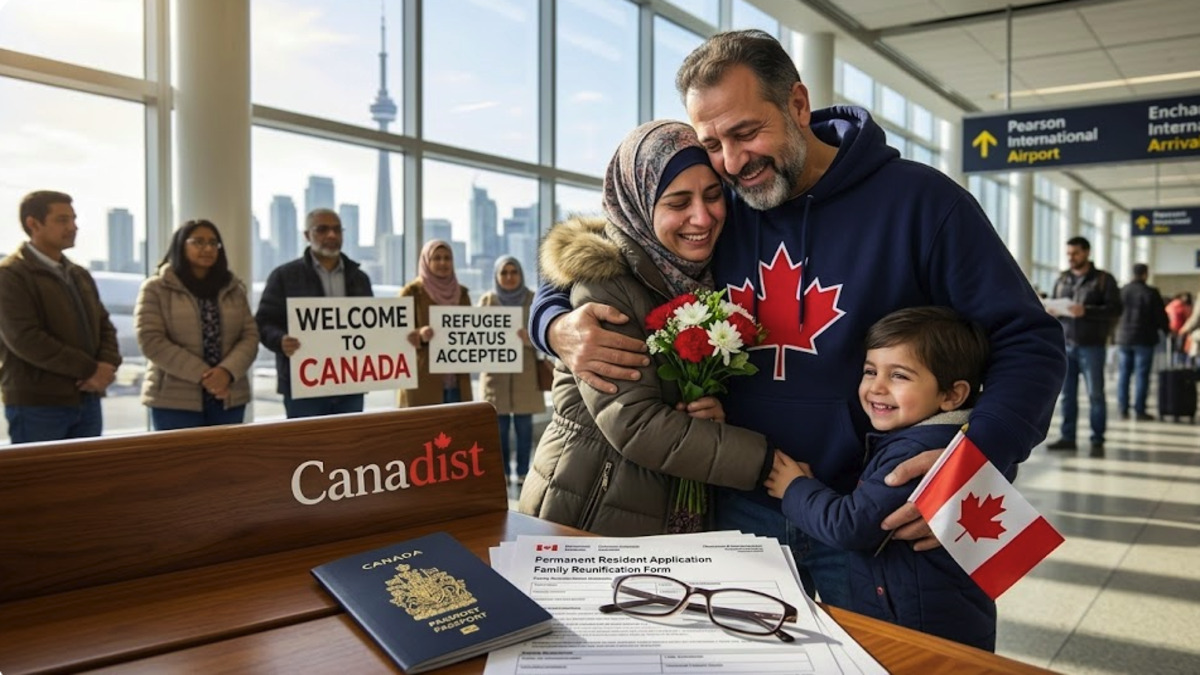
For many, a house isn’t a home until the family is gathered under one roof. What happens after asylum is granted in Canada concerning family reunification? As a protected person, you can include your spouse and dependent children in your own application for permanent residence, even if they are currently overseas.
However, the “One-Year Window” provision is a critical deadline that many newcomers overlook. This rule allows you to bring family members to Canada relatively quickly if you identify them on your application within one year of being granted refugee status. Experts at Canadist emphasize that missing this window can lead to years of bureaucratic delays and heartbreaking separation.
Accessing Healthcare and Social Support Systems
Navigating a new healthcare system can be daunting, but Canada’s universal coverage is a major pillar of support. What happens after asylum is granted in Canada in terms of medical care? You will transition from the Interim Federal Health Program (IFHP) to provincial health insurance, such as OHIP in Ontario or RAMQ in Quebec.
In addition to health, you gain access to settlement services funded by the government. These organizations help with everything from finding a rental apartment to enrolling children in local schools. At Canadist, we believe that true integration happens through these small, daily victories that turn a foreign land into a forever home.
FAQ
How long does it take to get a PR card after asylum?
The processing time varies, but it typically takes several months to over a year; however, your protected person status protects your rights in the meantime.
Can I work immediately after my claim is approved?
Yes, once you are a protected person, you have the right to work, but you must update your SIN to reflect your new status.
Is the family reunification process guaranteed?
While protected persons have a right to apply, family members must still pass security, criminal, and medical screenings before being admitted.
Can I lose my refugee status after it is granted?
Status can be “ceased” or revoked if you voluntarily re-avail yourself of the protection of your home country, such as by traveling back there or using their passport.
Winning an asylum case is a monumental achievement, but the real journey is the steady climb toward full Canadian citizenship. Stay focused on your paperwork, embrace the local community, and remember that every struggle today is a foundation for your family’s future. Canada has welcomed you; now it’s time to make this land your own.
Contact: info@canadaalyom.com