

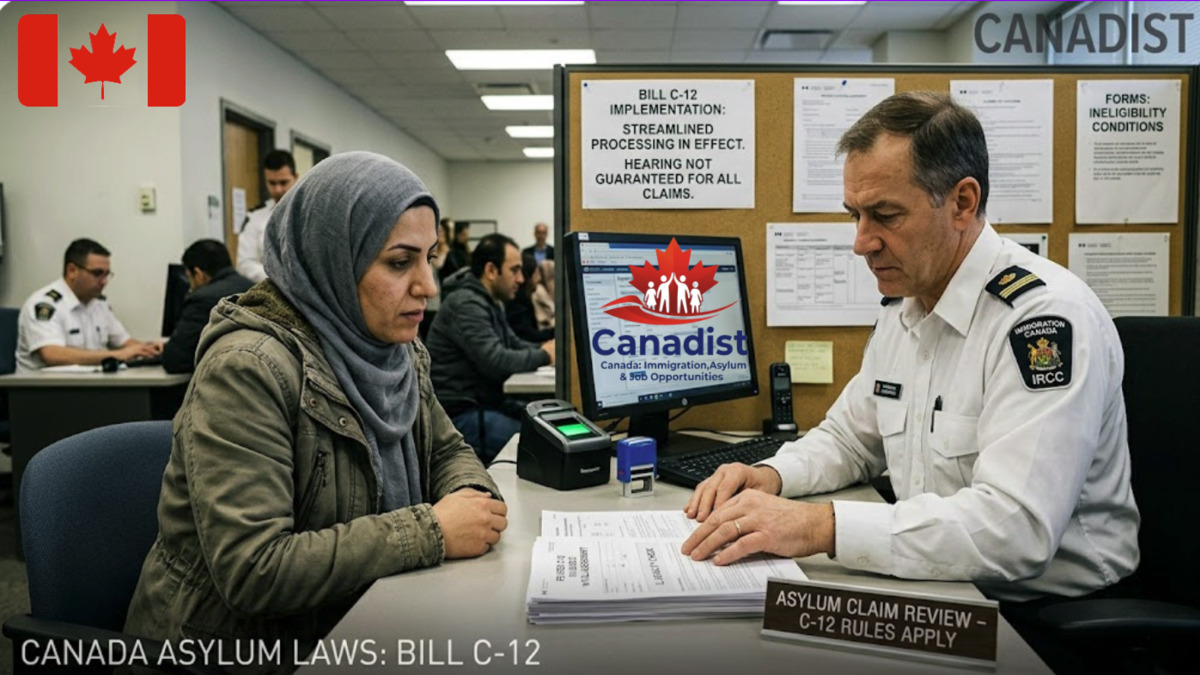
OTTAWA – Canadist : Canada Asylum Laws: : Can a nation maintain its reputation as a global sanctuary while slamming the door on thousands of seekers? This is the urgent question haunting the halls of Parliament Hill today. Canada has just fundamentally shifted its stance on humanitarian protection with the passage of Bill C-12, a legislative overhaul that is sending shockwaves through the immigration system. As the government prioritizes speed and efficiency, many are left wondering if the “Canadian Dream” is becoming a closed-circuit reality.
The Mechanics of Bill C-12: Speed at What Cost?
The Canadian government officially passed Bill C-12 with a primary mission: to reform the asylum system and drastically reduce the massive backlogs that have plagued the Immigration and Refugee Board (IRB). By accelerating decision-making and strengthening border controls, officials aim to create a more manageable system. However, the fine print of the Canada asylum laws suggests a tightening of policy that has caught the attention of human rights advocates and international observers alike.
One of the most drastic shifts within the new framework is the introduction of accelerated removal procedures. Failed claimants may now face deportation much faster than under previous regulations, with significantly less time allowed to appeal or submit additional evidence. While the government argues this reduces the immense pressure on public resources, critics point out that speed often comes at the expense of thoroughness.
From a policy perspective, this represents a fundamental pivot. Canada is moving away from a model of exhaustive individual review toward a streamlined, high-velocity processing engine. For many applicants, this change means the difference between a secure future in North America and a swift return to the conditions they fled.
Canada Asylum Laws: The End of the Full Hearing?
The most controversial element of Bill C-12 is the provision allowing for the rejection of certain asylum claims without a full hearing. Historically, a hearing was considered the cornerstone of the refugee process—a chance for a person to stand before a decision-maker and explain the dangers they face. Now, decisions for many could be made based solely on initial paperwork.
The numbers associated with this shift are staggering. Estimates suggest that up to 30,000 asylum seekers may not receive a full refugee hearing under the new rules. This automatic or “paper-based” rejection process has sparked intense debate:
The Government View: Protecting the system from abuse and ensuring that resources are focused on the most “eligible” cases.
The Critics’ Warning: This could lead to wrongful deportations, sending vulnerable individuals back to unsafe conditions without ever hearing their voice.
Furthermore, the Canada asylum laws now include much tighter eligibility rules. These include stricter deadlines for submitting claims and limitations based on the specific method or location of entry into the country. These conditions are designed to make many claims ineligible from the very first step of the process.
Redefining the Canadian Welcome
This is not just a minor administrative update; it is a search for balance between compassion and system efficiency. According to recent trends monitored by Canadist, this topic has become one of the most searched issues in the country. The public is deeply divided between those who believe Canada’s border integrity must be protected and those who believe these changes undermine basic human rights and due process.
The human impact is immediate. Thousands of families and vulnerable individuals are now navigating a system where the rules of engagement have changed overnight. For a country that has long been defined by its welcoming nature, Bill C-12 represents a cold, pragmatic shift toward stricter border control.
FAQ
What is the main goal of Bill C-12?
The law aims to reform the asylum system by reducing backlogs, speeding up decisions, and strengthening border control efficiency.
Can an asylum claim be rejected without a hearing?
Yes, under the new law, some claims can be rejected based on initial paperwork without the applicant ever receiving a full hearing.
How does the law affect deportations?
Bill C-12 accelerates removal procedures, meaning failed claimants are deported more quickly and have less time to appeal.
Why is this law controversial?
Critics argue it undermines due process and could lead to the wrongful deportation of up to 30,000 people who will not get a chance to present their case in person.
The Canada asylum laws are being redefined for a new era. While the government insists that a system can be both fast and fair, the reality for thousands of seekers remains uncertain. As the final text of the reform takes hold, Canada is at a crossroads, balancing its historical identity as a refuge with the harsh demands of modern border management.
Contact: info@canadaalyom.com