
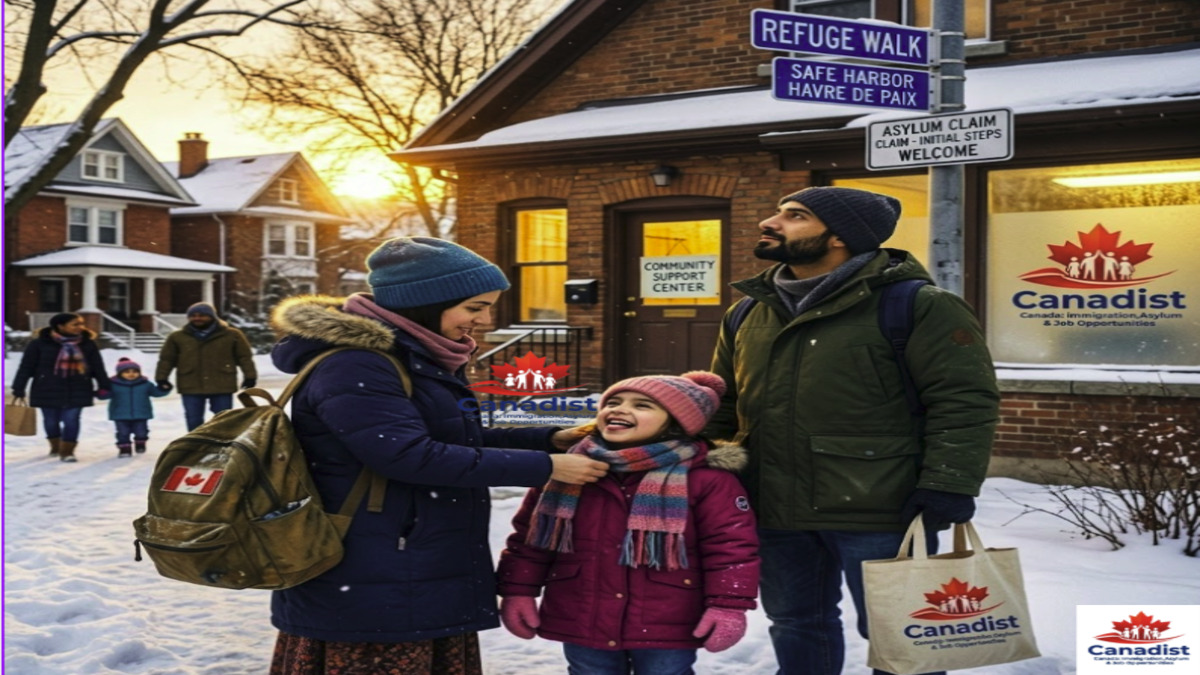
Ottawa, Canadist: Seeking asylum in Canada is often described as a journey toward a “safe harbor,” but the waters can be quite choppy. Have you ever wondered what it truly feels like to leave everything behind for a map you can’t yet read? Is Canada really the land of open doors, or is the bureaucracy a wall in itself? Let’s look past the official brochures and talk about the grit of the process.
Starting the Asylum Claim in Canada
The first step is always the heaviest. You can apply at any port of entry or inside the country at an IRCC office. A writer for Canadist notes that the initial “Eligibility Interview” is where your story must stand firm. It is a moment of intense pressure. Many feel that their entire future is compressed into a few hours of questioning. Why does one detail matter so much? Because in this system, consistency is everything.
The Basis of Your Claim
Canada doesn’t just grant protection because you want a better life. You must prove a “well-founded fear” of persecution. Whether it’s due to race, religion, or political opinion, the facts must be solid. We recommend keeping every piece of evidence, no matter how small. In this system, your memory is your most valuable witness, so keep it sharp.
Financial Aid and the Social Safety Net
Wait times for hearings can be long, and you need to survive in the meantime. Canada provides a social assistance program to those waiting for their Refugee Protection Division (RPD) hearing. But let’s be honest: with the current cost of living in cities like Toronto or Vancouver, these checks barely cover the basics. It’s a survival game, at least in the beginning.
Healthcare: The Interim Federal Health Program (IFHP)
One thing Canada does well is providing the IFHP. This covers basic medical needs, including urgent dental and vision care. It’s a vital lifeline while you wait for your status. It’s not a permanent solution, but it ensures that a medical emergency won’t derail your path to safety. Have you checked if your local clinic accepts this coverage? Most do, but it’s always good to ask.
The Long Road to Permanent Residency
The timeline is the biggest hurdle. In theory, things move fast, but in reality, you might wait 12 to 24 months for a final decision. It’s a period of “living in parentheses.” You are here, but not quite settled. You have a roof, but do you have a future?
If your claim is accepted, the relief is immense. You become a “Protected Person” and can finally apply for Permanent Residency. This is the moment you can truly breathe. If rejected, the road becomes much harder, involving appeals and federal court reviews. Do not lose heart; there are legal paths even in the toughest times.
Working Legally: The Work Permit
Can you work? Yes, but you must apply for a specific refugee claimant work permit. Canadist reminds you that this permit is usually linked to your medical exam results. Once you have it, you can enter the Canadian job market. It’s your first real step toward independence.
Why Finding a Job Matters Early
Working isn’t just about money; it’s about integration. Employers in Canada value “Canadian experience,” but they also value resilience. Even a survival job helps you build a network and improve your English or French. Don’t wait for the final decision to start building your professional life here.
Integration: More Than Just Papers
Is the maple leaf a symbol of your new identity? Integration takes time and effort. Connect with local community centers. Canada is a mosaic of cultures, and there is a place for yours, too. The process is exhausting, we know. But for many, the peace of mind found in a Canadian park at sunset is worth every form you had to sign.
FAQ
How much money do asylum seekers get in Canada?
The amount varies by province. It usually covers basic rent and food, but it is rarely enough to live comfortably in major cities without additional support.
Can I choose where to live in Canada during my claim?
Yes, but remember that some provinces offer more social support than others. Most claimants settle in Ontario or Quebec due to the existing community networks.
How long does the asylum interview take?
The initial eligibility interview usually takes 1 to 3 hours. However, the formal hearing before the RPD can take much longer and may require a lawyer.
What happens if Canada rejects my asylum claim?
You can apply for a Refugee Appeal Division (RAD) review or a Pre-Removal Risk Assessment (PRRA). Canadist advises seeking legal counsel immediately if this happens.
Contact: info@canadaalyom.com