
Permanent Daylight Saving Time: What November 1 Means for Canadians
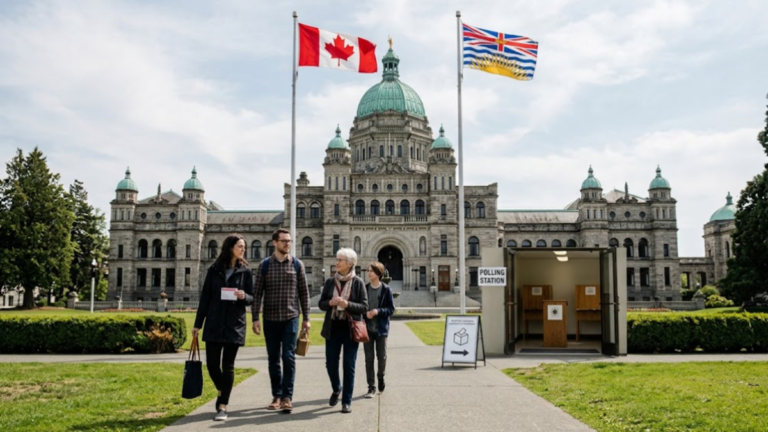
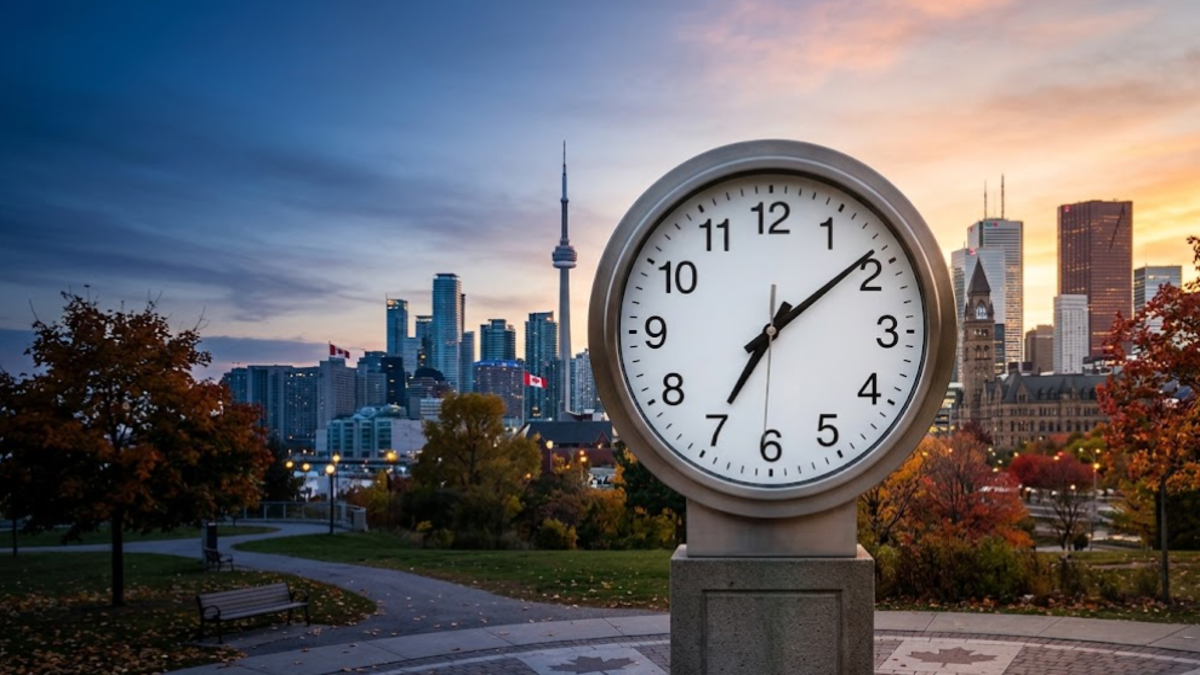
Canada’s November 1 clock change will look different this year for residents of British Columbia and the Northwest Territories, which have officially ended seasonal time changes. Instead of turning their clocks back by one hour, residents in these jurisdictions will keep the same time on November 1, 2026. The change is part of a wider debate over whether Canada should adopt permanent daylight saving time, but the rules are not yet uniform across the country.

November 1, 2026: Four jurisdictions will keep their clocks unchanged
Correction to the initial summary: British Columbia and the Northwest Territories are not the only jurisdictions making this change. Official announcements confirm that Alberta and Manitoba are also adopting permanent daylight saving time for November 1, 2026.

Alberta.ca+1
The change is therefore broader than initially indicated, although Canada still does not have a single nationwide policy on seasonal clock changes.
Which provinces and territories are ending the clock change?
The following jurisdictions have confirmed that they will no longer switch their clocks back on November 1.
| Province or territory | What changes on November 1? | Official time arrangement |
|---|---|---|
| British Columbia | No clocks turned back | Pacific Time (PCT), UTC−7 |
| Alberta | No clocks turned back | Alberta Time (ABT), UTC−6 |
| Manitoba | No clocks turned back | Permanent daylight saving time |
| Northwest Territories | No clocks turned back | Northwest Territories Time, UTC−6 |
| Yukon | No seasonal clock change | UTC−7 year-round |
The details differ by jurisdiction. British Columbia and Yukon will share the same time year-round, while Alberta, Manitoba and the Northwest Territories will use their own permanent time arrangements.
Province of British Columbia+4
British Columbia: permanent Pacific Time
The Government of British Columbia announced the change on March 2, 2026. Residents moved their clocks forward on March 8 as usual, but that was the province’s final seasonal time change.
On November 1, clocks will remain unchanged. The province’s permanent Pacific Time, abbreviated PCT, will operate at UTC−7 throughout the year. This is the offset previously used during daylight saving time.
news.gov.bc.ca+1
The government says the change is intended to provide more evening daylight in winter, reduce disruptions to daily routines and simplify scheduling for families and businesses.
Alberta: a new permanent time standard
Alberta has also adopted a year-round time arrangement known as Alberta Time, abbreviated ABT.
From November 1, the province will remain at UTC−6 instead of returning to Mountain Standard Time. This keeps Alberta on the same time offset it used during the summer months.
Alberta.ca
The provincial government says the change should make schedules more predictable and reduce confusion for people and businesses operating across provincial borders.
Manitoba: the change becomes effective before November 1
Manitoba announced its decision on September 17, following public consultation on seasonal time changes. The government reported that 92% of the nearly 72,000 responses supported ending the practice, with 58% favouring permanent daylight saving time.
Province of Manitoba
The legal transition is particularly clear: the province’s proclamation sets October 31, 2026, as the date the Official Time Amendment Act comes into force. As a result, clocks will not revert to standard time overnight into November 1.
Province of Manitoba
Northwest Territories: no more seasonal clock changes
The Northwest Territories will observe Northwest Territories Time at UTC−6 throughout the year. Its government confirmed that the change takes effect on November 1, 2026.
A territorial consultation in 2022 received more than 3,500 responses, with over 87% supporting the end of seasonal clock changes. The government says the new arrangement will also preserve alignment with Alberta and Saskatchewan.
Government of Northwest Territories
Yukon already follows a fixed time
Yukon is not making a new change on November 1. It has used UTC−7 year-round since 2020 and does not move clocks forward in spring or back in autumn.
yukon.ca
Will the rest of Canada also stop changing clocks?
No single nationwide change has been confirmed for November 1. Timekeeping rules in Canada are generally determined by provincial and territorial governments, which means the situation can differ across the country.
Residents in jurisdictions that retain seasonal time changes should continue to follow their local government’s instructions. The National Research Council of Canada also advises checking the relevant provincial or territorial authority because its general time-zone information is being updated to reflect recent changes.
National Research Council Canada
This distinction matters for people travelling, working remotely or coordinating meetings across provincial borders. A meeting scheduled for the same local clock time may correspond to a different time elsewhere after November 1.
What should residents do before November 1?
For people in the jurisdictions adopting permanent daylight saving time, the practical steps are straightforward.
Check your location: Confirm whether your province or territory is ending seasonal time changes.
Update your devices: Install available software updates on smartphones, computers, tablets and connected devices.
Check older equipment: Some unsupported devices may require a manual time-zone adjustment.
Review calendars: Verify recurring appointments, work shifts and travel arrangements that cross time zones.
Confirm transport schedules: Check departure times with airlines, rail operators and other transport providers when travelling around the transition.
Most modern devices are expected to update automatically once manufacturers and service providers distribute the necessary time-zone updates. However, Alberta and the Northwest Territories have both warned that some older devices may need manual adjustments.
Alberta.ca+1
If a device displays the wrong time after the change, check for software updates and make sure automatic date, time and time-zone settings are enabled before changing the clock manually.
What are the potential benefits of permanent daylight saving time?
Supporters argue that keeping clocks on the summer schedule offers several practical advantages:
More daylight after work and school: Later sunsets can provide more opportunities for outdoor activities during winter afternoons.
Fewer disruptions to routines: Families, shift workers and businesses no longer need to adjust schedules twice a year.
Simpler planning: A fixed time standard can reduce some scheduling and technology problems associated with seasonal changes.
British Columbia’s government cited these benefits when announcing its decision. Manitoba also pointed to public health considerations and feedback from residents.
news.gov.bc.ca+1
However, eliminating clock changes does not create additional daylight. It changes how daylight hours align with the clock. Winter mornings can remain darker for longer, depending on location and the chosen time standard.
The effects will also vary geographically. Communities in northern Canada experience substantial seasonal changes in daylight, so a fixed clock cannot eliminate the underlying difference between summer and winter days.
Our analysis: Canada is moving toward fewer clock changes, but coordination remains essential
The November 1 transition marks a significant shift in how several Canadian jurisdictions manage time. The decisions in British Columbia, Alberta, Manitoba and the Northwest Territories, alongside Yukon’s existing policy, demonstrate growing interest in maintaining a fixed time standard throughout the year.
The benefits are practical, particularly for families and businesses that struggle with schedule adjustments. Yet the transition also creates a need for clear communication, updated digital systems and careful coordination across provincial borders.
Our assessment is that ending seasonal clock changes can simplify everyday life, but its success will depend on implementation. Residents should not assume that every province follows the same rules, and organizations operating nationally should verify time-zone settings before scheduling important events.
For now, the most useful advice is simple: check the rules that apply where you live, update your devices and confirm appointments around the November 1 transition.
Frequently asked questions
Do clocks go back on November 1, 2026, in Canada?
Not everywhere. British Columbia, Alberta, Manitoba and the Northwest Territories will not turn clocks back. Yukon already follows a fixed time year-round. Residents elsewhere should check their local rules.
Does permanent daylight saving time mean more daylight?
No. It does not increase the total amount of daylight. It changes the relationship between daylight hours and the clock, potentially providing more light in the evening at the expense of morning light.
Will my phone change time automatically?
Most modern smartphones and connected devices are expected to update when their manufacturers and service providers issue the required changes. Older or unsupported devices may need a manual update.
Is permanent daylight saving time now the rule across Canada?
No. Timekeeping remains a provincial and territorial responsibility, and arrangements differ by jurisdiction. Do not assume a change announced in one province applies nationwide.
Official Sources
1. Government of British Columbia — B.C.’s new time zone (Pacific time)
https://www2.gov.bc.ca/gov/content/governments/celebrating-british-columbia/daylight-saving-time
2. Government of Alberta — Alberta’s new time system (ABT)
https://www.alberta.ca/albertas-new-time-system-abt
3. Manitoba Laws — Proclamation: The Official Time Amendment Act
https://web2.gov.mb.ca/laws/statutes/proclamations/2023c4%282026-10-31%29.php
4. Government of the Northwest Territories — Northwest Territories ends Seasonal Time Change
https://www.gov.nt.ca/en/newsroom/northwest-territories-ends-seasonal-time-change
5. Government of Yukon — Learn about Yukon Standard Time
https://yukon.ca/en/your-government/about-yukon/learn-about-yukon-standard-time
6. National Research Council Canada — Time zones and daylight saving time
https://www.cnrc.canada.ca/en/certifications-evaluations-standards/canadas-official-time/time-zones-daylight-saving-time
Contact: info@canadaalyom.com