

OTTAWA – Canadist: Seasonal Jobs in Canada Offer Fresh Opportunities as Employers Continue Hiring Across Key Industries

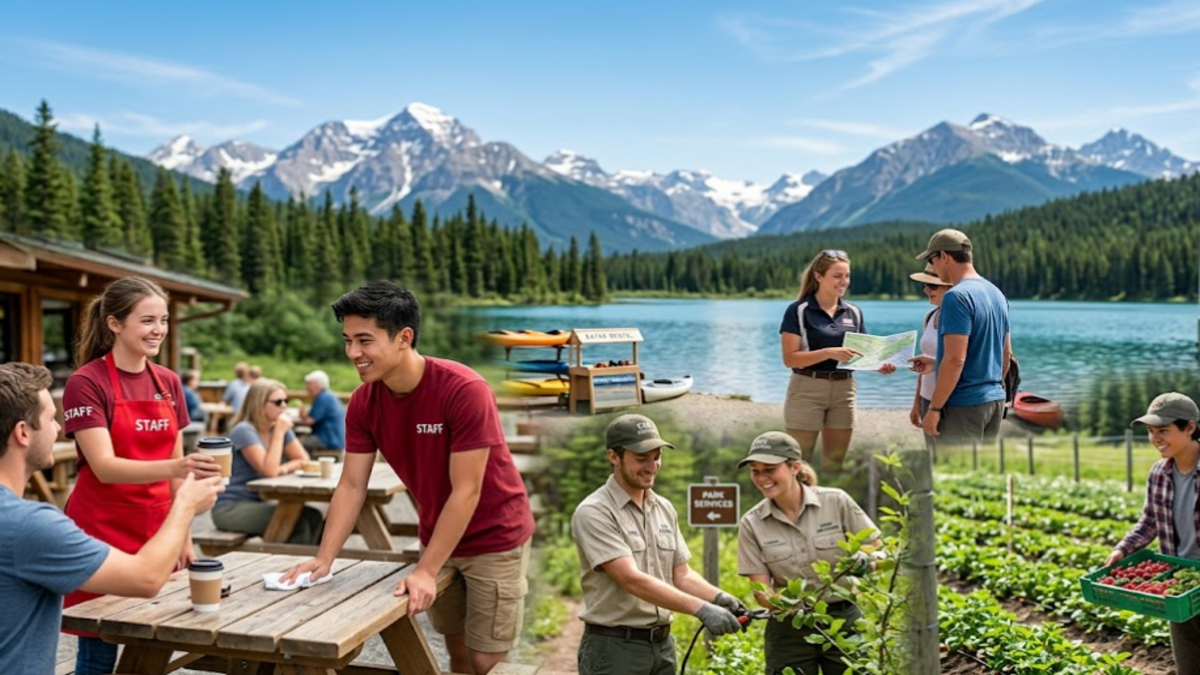
As Canada’s summer hiring season enters its busiest period, Seasonal Jobs in Canada remain a major source of employment for students, young workers, and people seeking temporary income. From tourism and hospitality to agriculture, recreation, retail, and construction, employers across the country continue recruiting staff to meet increased seasonal demand while addressing ongoing labour shortages.
The latest figures from the federal government show that thousands of positions have been made available through the Canada Summer Jobs program, while recent labour market data suggest the employment outlook has shown signs of stabilization despite broader economic uncertainty. For job seekers hoping to secure temporary work or gain valuable experience, the current hiring season presents both opportunities and growing competition. What is driving this year’s seasonal hiring market, and where are the best opportunities available?
Seasonal Jobs in Canada remain a key pillar of the summer labour market
Seasonal employment has long played an important role in Canada’s economy. Every year, businesses expand their workforce to meet increased demand created by warmer weather, tourism, outdoor recreation, festivals, agriculture, and construction projects.

This year is no exception. According to Employment and Social Development Canada, the federal government has opened the hiring period for the Canada Summer Jobs (CSJ) program, making up to 100,000 temporary employment opportunities available for eligible young Canadians between the ages of 15 and 30. The initiative supports employers by providing wage subsidies while helping young workers gain practical experience in a wide range of industries.
Officials say the program responds to both national and local labour market needs. Positions are available in recreation, food services, tourism, environmental protection, construction, digital technology, marketing, community organizations, and many other sectors that traditionally increase hiring during the summer months.
Unlike many temporary employment initiatives, Canada Summer Jobs focuses not only on creating employment but also on helping participants develop transferable workplace skills. Many employers use the program to recruit future full-time employees, giving students and recent graduates an opportunity to build experience before entering the permanent workforce.
The program also places particular emphasis on improving access to employment for youth facing barriers in the labour market, including Indigenous youth, youth with disabilities, racialized youth, Black youth, young people living in rural communities, and those from official language minority communities.
Labour market shows encouraging signs despite continued competition
Recent labour market data indicate Canada’s employment picture has improved compared with earlier in the year.
Statistics Canada reported that the economy added approximately 18,200 jobs in June, while the national unemployment rate edged down to 6.5%. Much of the monthly employment growth came from part-time positions in accommodation and food services, as well as wholesale and retail trade—industries that typically expand during the summer season. Youth unemployment also declined compared with previous months, suggesting seasonal hiring helped improve employment prospects for younger Canadians.
Economists nevertheless caution that the labour market remains competitive. While more employers are hiring compared with earlier months, the number of applicants continues to exceed available positions in many urban centres.
Private-sector data also indicate that summer job postings have stabilized after several years of decline. According to Indeed Hiring Lab Canada, seasonal job advertisements were slightly higher than a year earlier during the spring hiring period, with stronger demand for warehouse workers, painters, youth workers, administrative assistants, and camp counsellors. Summer camps remain among the country’s largest seasonal employers, although hiring has expanded across several additional occupations.
For many employers, seasonal hiring provides flexibility during periods of increased customer demand. For workers, it offers an opportunity to earn income, gain experience, develop professional networks, and strengthen resumes before pursuing longer-term employment.
Tourism and hospitality continue leading recruitment
Tourism remains one of Canada’s largest sources of seasonal employment.
Hotels, restaurants, resorts, amusement parks, cultural attractions, campgrounds, and outdoor recreation businesses traditionally increase staffing throughout the warmer months as visitor numbers rise across the country.
Many employers are looking for front-desk staff, servers, cooks, housekeeping employees, lifeguards, activity coordinators, tour guides, customer service representatives, maintenance workers, and event staff.
Construction also continues to create temporary employment opportunities during peak building months, while municipalities recruit additional workers for parks maintenance, public recreation programs, swimming pools, and community events.
Agriculture remains another significant source of seasonal employment, particularly during planting and harvesting periods, with farms across several provinces hiring workers to support crop production and food processing.
These industries collectively employ tens of thousands of temporary workers every year and continue to play an essential role in supporting local economies throughout Canada.
Why employers are still struggling to fill seasonal positions
Despite a noticeable increase in applications, many Canadian employers continue to report difficulties finding enough workers for seasonal roles. Industry groups say the challenge is no longer simply attracting applicants, but finding candidates who are available for the full season and possess the skills needed for customer-facing or physically demanding jobs.
Businesses in tourism, hospitality and recreation often require employees who can work evenings, weekends and holidays. These schedules can make recruitment more difficult, particularly in regions where students return to school before the busiest tourist season ends.
Employers in rural communities face additional challenges. Many seasonal jobs are located in areas with limited public transportation or a shortage of affordable housing, making it harder for workers to relocate temporarily.
The agriculture sector experiences similar issues during planting and harvest periods. Although farms continue hiring domestic workers, many operations also depend on temporary foreign workers to maintain production during peak seasons.
Business organizations say addressing labour shortages remains important not only for employers but also for Canada’s tourism industry, which continues recovering as visitor numbers increase.
Seasonal Jobs in Canada create opportunities beyond summer employment
For many Canadians, seasonal work represents more than a temporary paycheque. It often becomes the first step toward a long-term career.
Employers frequently use seasonal positions to identify promising workers for permanent roles. A student hired as a customer service representative may later become a supervisor, while a construction labourer may receive an apprenticeship opportunity after demonstrating reliability and commitment.
Career experts also note that seasonal employment helps individuals develop transferable skills that employers value across many industries. Communication, teamwork, time management, problem-solving and customer service experience remain among the most sought-after workplace competencies.
Young workers entering the labour market particularly benefit from gaining practical experience before graduation. Even a few months of employment can strengthen future job applications and provide valuable professional references.
Community organizations also continue using federal wage support programs to hire students for projects involving environmental conservation, sports programs, cultural activities and social services. These roles often combine practical work experience with opportunities to contribute to local communities.
Where Canadians can find seasonal employment
Job seekers have more options than ever when searching for seasonal opportunities.
The Government of Canada’s Job Bank remains one of the country’s largest employment platforms, listing thousands of temporary vacancies throughout the year. Applicants can search by province, occupation, salary range or employment type to identify positions matching their qualifications.
Official government website: https://www.jobbank.gc.ca
Beyond the Job Bank, employers increasingly advertise openings directly through their corporate career pages, local employment centres and post-secondary career offices.
Large retailers typically begin recruiting months before peak shopping periods, while tourism businesses often hire well in advance of the summer travel season. Municipal governments also advertise temporary positions for parks, recreation facilities, swimming pools and community events.
Career advisors recommend applying early rather than waiting until the middle of the season, as many employers fill their vacancies weeks before operations reach full capacity.
Tips for standing out in a competitive market
With competition remaining strong in many regions, applicants can improve their chances by preparing thoroughly before submitting applications.
A clear and up-to-date résumé remains essential. Employers also encourage candidates to tailor applications for each position instead of sending identical documents to multiple businesses.
Availability continues to play an important role. Candidates willing to work evenings, weekends and flexible schedules often have access to a broader range of opportunities.
Preparing for interviews by researching the employer and demonstrating enthusiasm for customer service can also leave a positive impression.
Many hiring managers say reliability, punctuality and a willingness to learn are just as valuable as previous work experience, particularly for entry-level seasonal positions.
Outlook for the months ahead
Employment experts expect seasonal recruitment to remain active as tourism, recreation and agriculture continue operating at full capacity.
While economic conditions continue evolving, demand for temporary workers is expected to remain relatively stable across industries that depend on seasonal activity.
Federal employment initiatives, including the Canada Summer Jobs program, are also expected to continue supporting employers and helping young Canadians gain valuable workplace experience.
For job seekers, the message is clear: opportunities remain available, but competition means preparation is increasingly important. Applying early, maintaining a professional résumé and remaining flexible about schedules and locations can significantly improve the chances of securing seasonal employment.
As businesses continue serving visitors, harvesting crops, building infrastructure and operating community programs across the country, seasonal workers will remain an essential part of Canada’s labour market.
Frequently Asked Questions
What are seasonal jobs in Canada?
Seasonal jobs are temporary positions that are available during specific times of the year, particularly in tourism, agriculture, retail, construction and recreation.
Who can apply for Canada Summer Jobs?
Eligible youth between the ages of 15 and 30 who are legally entitled to work in Canada may apply for positions offered through participating employers.
Which industries hire the most seasonal workers?
Tourism, hospitality, agriculture, retail, construction, parks and recreation consistently rank among Canada’s largest seasonal employers.
Where can I search for seasonal jobs?
The Government of Canada’s Job Bank and employers’ official career websites remain among the best places to find verified seasonal job opportunities.
Contact: info@canadaalyom.com