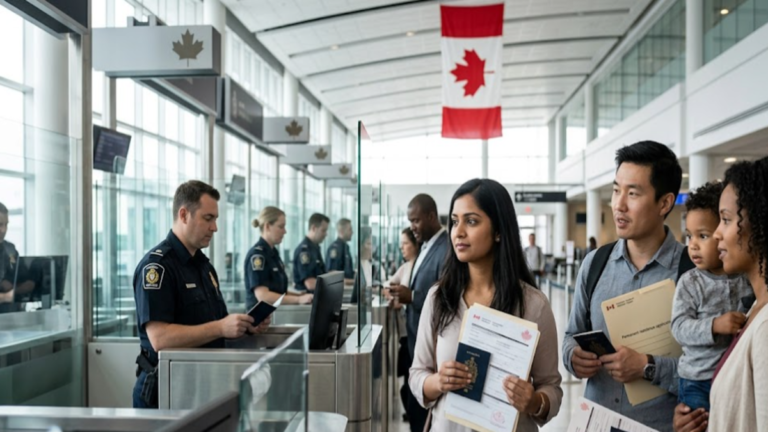

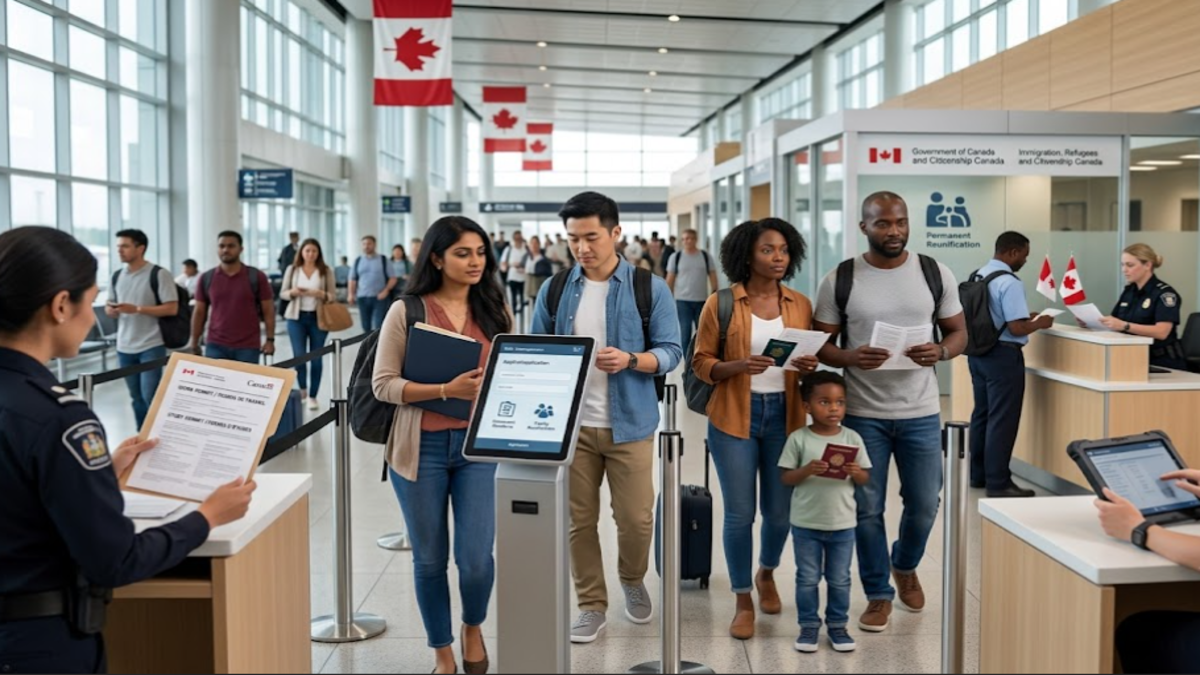
Ottawa – Canadist: Latest Canada immigration updates 2026 include a pause on new Parents and Grandparents Program applications, updated temporary-residence processing times and continued efforts by Immigration, Refugees and Citizenship Canada to manage immigration levels and temporary resident volumes. What do the latest changes mean for people planning to work, study, visit or settle permanently in Canada?

Latest Canada immigration updates 2026: Parents and Grandparents Program
One of the most significant recent changes concerns family reunification. Immigration, Refugees and Citizenship Canada has paused the intake of new applications under the Parents and Grandparents Program.
The department said it will continue processing applications already in the system and plans to approve up to 15,000 people for permanent residence through the program. IRCC said the measure aims to reduce processing times and improve predictability for families.
The government also confirmed that it will not accept new interest-to-sponsor forms or invite potential sponsors to submit applications until further notice.

The decision comes as demand for the program continues to exceed the available spaces under Canada’s immigration levels plan. At the same time, parents and grandparents can still visit family members in Canada through the Super Visa program, according to IRCC.


Canada immigration updates 2026 and processing times
Recent processing-time data also provides important information for temporary residents and prospective applicants.
According to recent reporting based on IRCC data released on July 22, processing times for work permits submitted from inside Canada improved slightly, falling to 122 days from 124 days in the previous update. Applications from India remained at nine weeks, while processing times for applicants from Pakistan increased to 10 weeks from seven weeks.
Applicants from the Philippines saw work permit processing times rise to seven weeks from six weeks, while the figure for Nigeria remained at six weeks and the United States at three weeks.
Study permit processing times for the countries included in the update remained unchanged. Applications made from within Canada were listed at seven weeks, while applications from India stood at five weeks and those from Pakistan at six weeks.
The figures show that processing times can vary significantly according to the type of application and the applicant’s location. Applicants should therefore check the official IRCC processing-time tool before submitting an application or making travel and employment plans.
Immigration levels remain focused on controlled growth
Canada’s immigration planning continues to balance permanent immigration with efforts to manage temporary resident numbers.
The government’s published immigration projections set a target of 380,000 permanent resident admissions, with a range of 350,000 to 420,000. Economic immigration accounts for 239,800 admissions in the projection, while family reunification is set at 84,000 and refugees, protected persons, humanitarian and compassionate cases, and other categories at 56,200.
The same planning documents project 385,000 new temporary resident admissions, including 230,000 workers and 155,000 students.
The figures indicate that Canada’s immigration policy is continuing to place emphasis on economic immigration while also maintaining family reunification and protection programs.
What applicants should watch now
For people preparing an immigration application, the latest developments highlight the importance of checking official requirements before taking action.
Applicants for permanent residence should monitor Express Entry and other economic immigration pathways, while temporary residents should pay close attention to the validity of their permits and the applicable processing times.
International students and foreign workers should also avoid assuming that a temporary status automatically leads to permanent residence. Eligibility for permanent residence depends on the specific immigration program and the requirements in force when an application is assessed.
For official information on Canada’s immigration programs and application procedures, applicants should rely on Immigration, Refugees and Citizenship Canada rather than unofficial sources.
The latest developments point to a Canadian immigration system that is placing greater emphasis on managing application volumes, controlling temporary resident numbers and aligning admissions with government targets. For anyone planning to immigrate, work, study or reunite with family in Canada, keeping track of official updates remains essential.
FAQ
Is Canada accepting new Parents and Grandparents Program applications?
IRCC has paused the intake of new applications and said it will not accept new interest-to-sponsor forms or invite potential sponsors until further notice.
Are processing times changing in Canada?
Yes. Recent IRCC data showed changes in some work permit processing times, while study permit processing times for the listed countries remained unchanged.
How many permanent residents does Canada plan to admit?
The published projection sets the permanent resident admission target at 380,000, with a range of 350,000 to 420,000.
Can parents and grandparents still visit family in Canada?
Yes. IRCC says parents and grandparents can continue to use the Super Visa to visit their children or grandchildren in Canada, subject to the program’s requirements.
Conclusion
The latest Canada immigration updates 2026 show a continued focus on managing application volumes, temporary resident levels and permanent resident admissions. With the Parents and Grandparents Program intake paused and processing times continuing to change across temporary-residence categories, applicants should monitor official IRCC information and review the requirements that apply to their individual immigration pathway.