
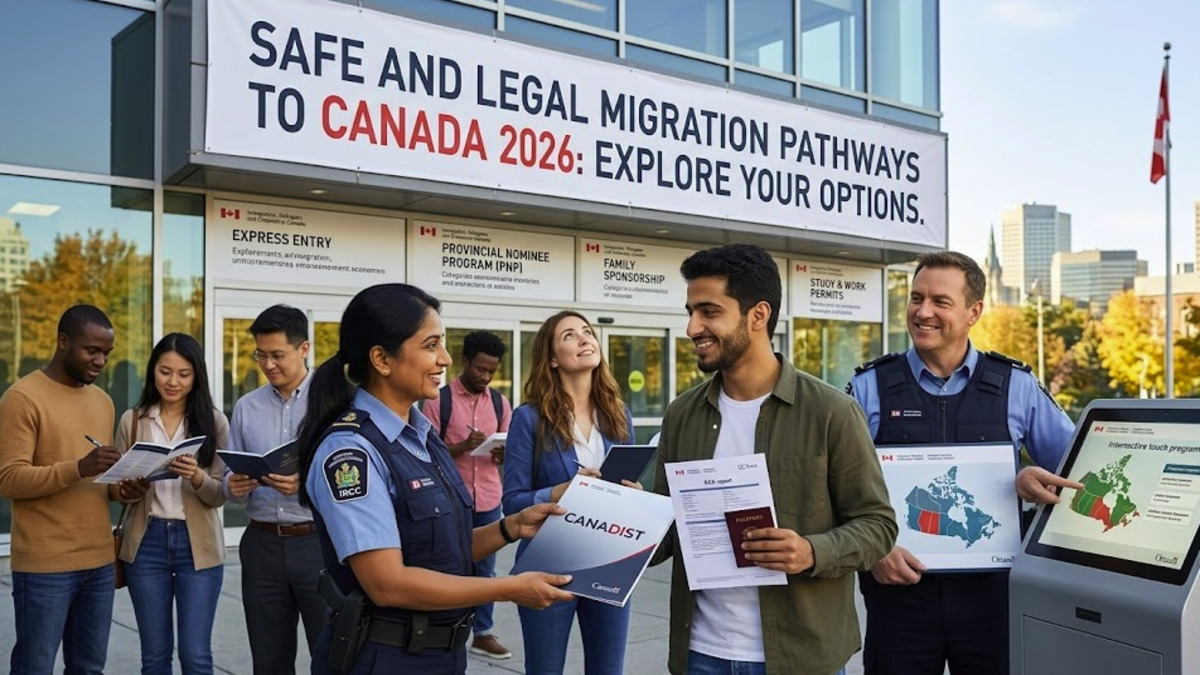
Ottawa. Canadist : Safe and legal migration pathways to Canada are currently undergoing a historic transformation that every aspiring resident should monitor closely. Have you ever wondered why some applications glide through the system while others remain stuck in bureaucratic limbo for years? The answer usually lies in choosing the right path at the right time, especially as the federal government recalibrates its targets for 2026.

The Evolution of Economic Entry Points
Canada has long been a pioneer in merit-based immigration, but the landscape is becoming increasingly specialized. The Express Entry system remains the primary artery for skilled workers, yet the focus has shifted toward category-based draws. Instead of just looking at high CRS scores, the Ministry is now prioritizing healthcare professionals, STEM workers, and tradespeople to address critical labor shortages.
From my observation, the “all-around” applicant is becoming a thing of the past. To succeed today, you need to align your profile with specific provincial needs. The Provincial Nominee Program (PNP) has effectively become the “back door” that is often wider than the front door, offering a direct route to permanent residency for those willing to settle outside the major hubs of Toronto or Vancouver.
It is quite fascinating to see how smaller provinces like New Brunswick or Manitoba are now competing for global talent. They offer faster processing times and lower cost-of-living barriers, making them an attractive alternative for families looking for a stable start.

Family Reunification and Modern Work Permits
Beyond the economic scope, the commitment to keeping families together remains a cornerstone of the Canadian identity. The Spousal Sponsorship program has seen significant digital upgrades, aimed at reducing wait times to under 12 months. This shift reflects a more humane approach to immigration, recognizing that a supported immigrant is a more productive citizen.
However, the temporary resident pathways—specifically study and work permits—are facing stricter scrutiny this year. The government has introduced new caps on international student visas to ensure that educational institutions can actually provide the quality of life promised. If you are planning to enter via the study-to-permit route, choosing an eligible Designated Learning Institution (DLI) is now more critical than ever.
I believe these adjustments are a necessary “growing pain” for the country. By tightening the rules on temporary entries, the government is trying to protect the integrity of the system and ensure that those who arrive have adequate housing and healthcare support waiting for them.
Navigating the Digital Frontier of Applications
The transition to a 100% digital application process via the IRCC portal has been a double-edged sword. While it eliminates the physical loss of documents, it demands a level of technical precision that can be daunting. A single missing digital signature or an incorrectly scanned document can lead to an immediate rejection without a refund.
Practical examples of success often involve candidates who have pre-evaluated their credentials through organizations like WES before even creating a profile. In the current 2026 climate, being “ready to apply” means having your language tests and ECA reports in hand, as invitation rounds are becoming more frequent but with shorter windows for response.
Choosing Safe and legal migration pathways to Canada through official channels is the only way to avoid the rising tide of immigration fraud. Many “ghost consultants” promise guaranteed entry for exorbitant fees, but the truth remains that no one can guarantee a visa except a licensed IRCC officer. We at Canadist always emphasize that transparency is your best tool for success.
Frequently Asked Questions (FAQ)
What is the fastest pathway to Canadian permanent residency?
The Express Entry system, specifically the Canadian Experience Class (CEC) or category-based draws for healthcare and STEM, typically offers the fastest processing times for qualified candidates.
Can I move to Canada if I don’t have a job offer?
Yes, many federal and provincial programs do not require a formal job offer, provided you have sufficient points for age, education, language proficiency, and work experience.
How much money do I need to immigrate to Canada?
The “Proof of Funds” requirement varies depending on family size. For a single applicant in 2026, it is approximately 14,000 to 15,000 CAD, though this amount is adjusted annually based on inflation.
Are there specific programs for French speakers?
Absolutely. Canada is aggressively promoting Francophone immigration outside of Quebec, offering additional points in Express Entry and dedicated streams through various Provincial Nominee Programs.
The road to the North is paved with paperwork, but for those who follow the legal steps, the rewards of stability and opportunity are unparalleled. Keeping a close eye on the monthly IRCC updates is the best way to ensure your Canadian dream doesn’t remain just a dream.
Contact: info@canadaalyom.com